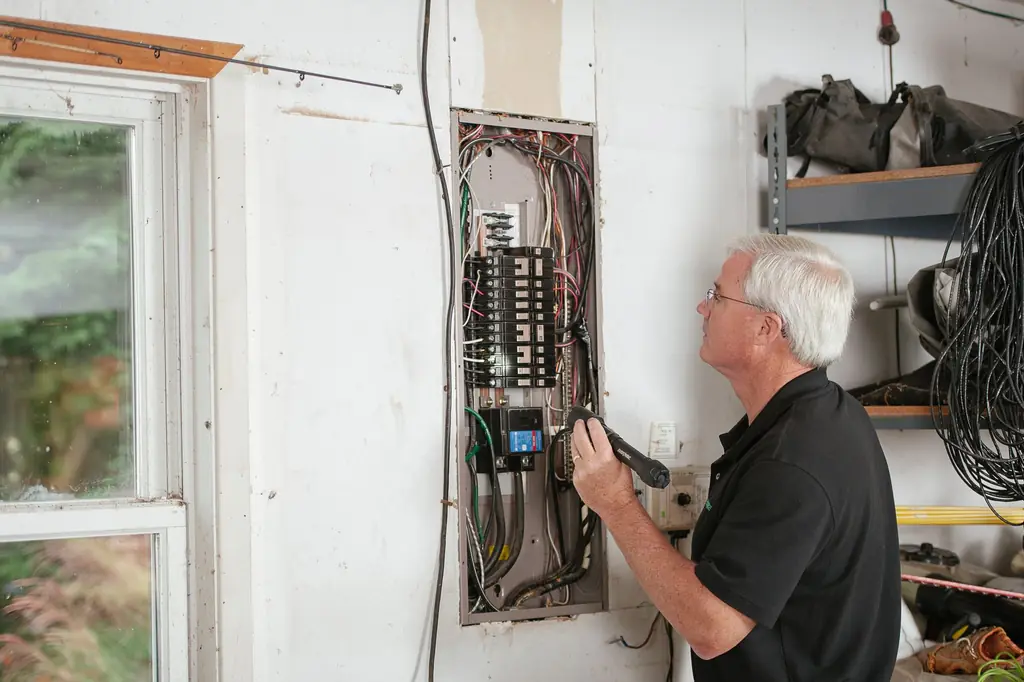
Why home circuits need transfer equipment
You don't need a transfer switch for a portable power station when you plug a refrigerator, router or other compatible appliance into its built-in outlets, as its manual allows. Feeding electricity through your home's existing circuits is different. Those circuits normally get power from the utility, and an alternate source must never be accidentally interconnected with the utility supply. Transfer equipment provides that isolation.
NEC Article 702 covers optional standby systems, including portable generators connected to premises wiring. Its transfer-equipment requirements call for equipment designed and installed to prevent inadvertent interconnection of normal utility power and an alternate power source. Which requirements apply depends on the code edition adopted in your area, and some areas still use an older NEC edition. Your licensed electrician has to identify the applicable rules, equipment requirements and permits before installation.
Planning-level transfer equipment options
A portable backup system can be set up to supply selected household circuits in a few ways. The right one depends on your electrical panel, backup power source, intended circuits and equipment compatibility.
Manual transfer switch
A manual transfer switch gives you a controlled way to choose between utility power and an alternate source for the circuits it serves. Transfer switches are evaluated to UL 1008. A manual switch is one option when you want to supply selected essential circuits during an outage. Your electrician decides whether a proposed switch suits your electrical system, backup source and loads, and it has to be compatible with the power station's electrical output. A switch advertised for a fuel generator won't automatically work with every battery power station.
Panelboard interlock kit with an inlet
An interlock kit is another transfer-equipment arrangement. Breaker interlock kits are evaluated as part of the panelboard under UL 67, and the panelboard must be marked for the specific kit; a kit that merely appears to fit isn't evidence of compatibility. Your electrician verifies the panelboard marking, the approved equipment, the backup source and the applicable electrical requirements, and confirms that the inlet and associated transfer equipment suit the system. This is a professional electrical installation, not a plug-in accessory that removes the need for an electrician.
Manufacturer home-backup panels
Some power station manufacturers sell smart panels, home-backup panels or other accessories that link compatible battery equipment to selected home circuits. Compatibility is model-specific: a panel from the same manufacturer isn't automatically compatible with everything that company sells. Before choosing one, confirm its supported power stations, electrical ratings, intended circuits and installation requirements. Your electrician still assesses and installs the complete arrangement, and the accessory doesn't remove the need for listed transfer equipment, applicable permits or safe isolation from utility power.
Understanding 120V and 120/240V backup
Voltage is a separate question from battery capacity. A large battery can store a lot of energy while providing only 120V AC output, and that doesn't make it a 240V backup source. Some household equipment needs 240V, and a 120V-only station can't supply a 240V circuit just because it has a large inverter or battery. Our manufacturer specification table includes these examples:
| Power station | Continuous AC output | AC voltage |
|---|---|---|
| Anker SOLIX F3800 Plus | 6,000W | 120/240V |
| EcoFlow DELTA Pro 3 | 4,000W | 120/240V |
| Jackery HomePower 3600 Plus | 3,600W | 120V |
| EcoFlow DELTA 2 Max | 2,400W | 120V |
These are manufacturer-rated output specifications, not measured results. The Jackery HomePower 3600 Plus lists a TT-30R outlet but is still a 120V system. The outlets a station has, its continuous wattage and its battery size are no substitute for the manufacturer's stated output voltage.
Inlet voltage and compatibility
The inlet and transfer equipment have to match the backup arrangement approved for the home, and a 120/240V system has different requirements from a 120V-only one. Adapters, connector appearance and matching outlet shapes don't establish electrical compatibility. Your electrician verifies that the power station, inlet, transfer equipment and intended circuits work together, taking into account the equipment's output limits and the loads the backup source is expected to carry. For systems that include pumps, read our well pump backup guide.
Essential circuits or the entire house
Installing transfer equipment doesn't mean your battery can power every appliance. Essential-circuit backup focuses on selected loads, which depending on the household might be refrigeration, lighting, communications or heating-system controls. Whole-house coverage can involve more circuits and higher simultaneous demand. Either way, battery capacity and continuous output have to be checked separately. For example, the EcoFlow DELTA Pro 3 has:
- Rated capacity: 4,096Wh
- Continuous AC output: 4,000W
- Surge rating: 8,000W
- Output: 120/240V
Those output ratings don't tell you how long it can carry your household; runtime depends on the energy the connected appliances use. Run your loads through our size calculator before settling on the scope of an installation, and read whole-house battery backup for a broader comparison.
What to ask your licensed electrician
Before buying transfer equipment or accessories, go through these questions with your electrician and have them confirm compatibility:
- Which household circuits are intended for backup?
- Which loads require 120V or 240V?
- What are the appliances' running and startup requirements?
- Is the selected power station compatible with those loads?
- Is a manual transfer switch suitable for the home?
- Is the existing panelboard marked for a compatible interlock kit?
- Would a manufacturer home-backup panel be appropriate?
- Which equipment and inlet ratings are required?
- Which NEC edition and local requirements apply?
- What permits and inspections are required?
Don't plan household circuit backup on a product's maximum output rating alone.
What renters can do instead
Renters may not be able to authorize changes to the home's electrical panel, but a portable power station can still run compatible appliances from its built-in outlets without touching household circuits. Pick the appliances you can power directly, check their electrical requirements, and estimate the battery capacity you need. Our home backup guide covers that appliance-level planning.
Questions readers ask
Do I need a transfer switch for a portable power station?
Not when you plug compatible appliances straight into the station's built-in outlets. Supplying home circuits requires listed transfer equipment installed by a licensed electrician with any required permit.
Is a transfer switch different from an interlock kit?
Yes. Transfer switches are evaluated to UL 1008. Breaker interlock kits are evaluated as part of the panelboard under UL 67, and the panel must be marked for the specific kit.
Can a 120V power station supply 240V home circuits?
No. A 120V-only power station doesn't provide native 240V output. Your licensed electrician must verify voltage compatibility between the power source, transfer equipment and intended circuits.
Can I install home-backup equipment myself?
No. Connecting a portable power source to household circuits requires a licensed electrician and any required permit. Renters and homeowners can instead plug compatible appliances directly into the station's built-in outlets without modifying household wiring.