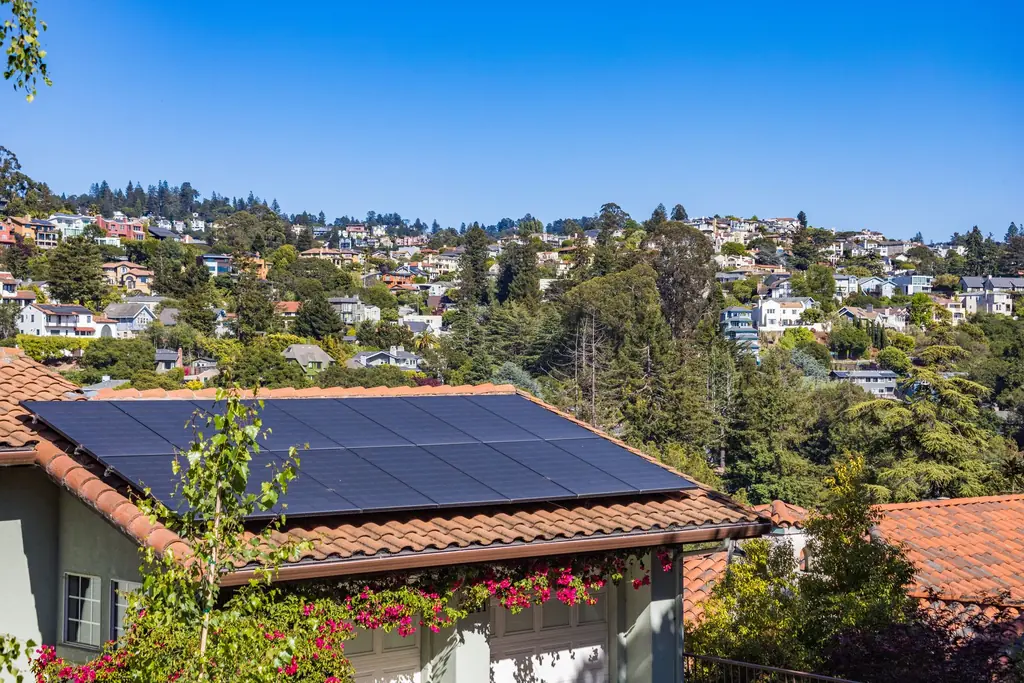
What a solar generator means
A solar generator is a portable power station paired with compatible solar panels. The power station holds a rechargeable battery and the electrical output equipment. The panels recharge that battery when there's usable sunlight, and the battery supplies stored energy when the panels aren't producing.
It doesn't create unlimited electricity. Runtime depends on the energy stored, the loads you connect, and how much energy you can put back in. For home backup, picking compatible equipment matters more than the marketing name.
How we selected these models
Our selections use published manufacturer specifications. We compared:
- Rated battery capacity
- Continuous AC output and stated surge output
- 120V or 120/240V capability
- Maximum solar input
- Battery expansion support
- Weight and portability
- Backup power features where stated
We chose models that cover different home backup needs. Some suit selected household appliances, while others offer higher output or more expansion capacity.
Outlet Powered doesn't physically test power stations or solar panels. The picks table above shows the specifications we compared, each model page links every figure to its source, and where a manufacturer doesn't state a value in our verified sources, we show "Not stated." Our picks are based on documented capabilities, not affiliate commissions.
Start with the appliances you need
Before comparing solar charging specs, list the loads the battery has to support. Common priorities include:
- Refrigerator and freezer
- Internet equipment
- Essential lighting
- Phones and chargers
- Compatible medical equipment
- Heating system controls
- Well pump or other water equipment
For each one, note its average power consumption, how many hours it needs to run, and its startup requirements. Capacity and output answer different questions: a large battery doesn't guarantee the inverter can start every motor-driven appliance, and high continuous output doesn't mean the battery holds enough energy for a long outage. Our size calculator estimates your household's requirements.
How much battery capacity do you need?
Our runtime method assumes 80% to 90% of rated capacity reaches AC appliances. The lower estimate of available AC energy is rated Wh × 0.80, and the upper estimate is rated Wh × 0.90. The EcoFlow DELTA 3 Plus, for example, has 1,024Wh of rated capacity:
- Lower estimate: 1,024 × 0.80 = 819.2Wh
- Upper estimate: 1,024 × 0.90 = 921.6Wh
That gives an estimated 819.2Wh to 921.6Wh for AC appliances. It's a calculation, not a measured result.
The EcoFlow DELTA 3 Plus has 819.2 to 921.6 Wh available to AC appliances. At a refrigerator average of 60 W, our calculated runtime is 13.7 to 15.4 hours, assuming 80% to 90% of rated capacity reaches AC appliances.
Use your own appliance's figures when combining loads. Solar charging may replace some energy during an outage, but do not count on it without a realistic estimate of panel production. For appliance-specific calculations, use the runtime calculator.
Why maximum solar input is not daily production
Every solar-compatible power station has charging input limits. Our picks have these maximum solar input ratings:
- EcoFlow DELTA Pro 3: 2,600W
- Anker SOLIX F3800 Plus: 3,200W
- Jackery HomePower 3600 Plus: 1,000W
- EcoFlow DELTA 2 Max: 1,000W
- EcoFlow DELTA 3 Plus: 1,000W
These are the maximum solar charging inputs each station supports, not measured daily production. A system rated for 1,000W solar input doesn't get 1,000W just because panels are connected. Actual charging depends on sunlight, the panels, their compatibility, and operating conditions.
Maximum solar input is a ceiling, not a prediction of panel production. Actual charging depends on sunlight, panel count and panel angle. We do not show a production figure for your site because we have no measured production figure for it.
Do not choose a solar generator by maximum input wattage alone. Use your own appliance's figures to establish the energy your panels would need to replace.
Check panel compatibility
Solar panels must be compatible with the power station's charging requirements. Check the manufacturer's limits for:
- Solar input voltage
- Maximum input current
- Maximum input wattage
- Supported connectors and cables
- Panel configuration requirements
A panel's advertised wattage doesn't establish compatibility by itself. Let the power station manual guide what you buy, and don't assume panels supplied for one model will work with another. The maximum supported input also doesn't mean you must install panels with exactly that nameplate wattage; the right arrangement depends on the manufacturer's requirements and your charging plan.
When 120/240V output matters
Some household equipment needs 240V. Among our picks, the EcoFlow DELTA Pro 3 and Anker SOLIX F3800 Plus provide 120/240V output, which makes them candidates for backup plans involving compatible 240V equipment. The voltage rating alone doesn't prove either one can run a particular appliance, though. Running output, startup requirements, and electrical compatibility still have to be checked.
The Jackery HomePower 3600 Plus has a TT-30R outlet but provides 120V output only, so don't read a special outlet or a large battery as a sign of native 240V support. For pump-related requirements, see our well pump backup guide.
When expansion matters
Expansion batteries add stored energy to a compatible system, and our picks have different limits. The Anker SOLIX F3800 Plus supports expansion to 26,880Wh in the configuration covered by our product data, the Jackery HomePower 3600 Plus to 21,000Wh, and the EcoFlow DELTA Pro 3 to 12,000Wh. The smaller models expand too: the DELTA 2 Max to 6,144Wh and the DELTA 3 Plus to about 5kWh.
Expansion helps when a household needs longer battery operation between charging opportunities. It doesn't automatically raise continuous AC output, surge capability, or available voltage. Check which expansion batteries and accessories work with your unit, and don't confuse the manufacturer's maximum expanded capacity with the energy included in the base product.
Weight and placement
The larger home backup systems are much heavier than the portable units meant for selected appliances.
| Model | Weight |
|---|---|
| EcoFlow DELTA 3 Plus | 27.6 lb |
| EcoFlow DELTA 2 Max | 50 lb |
| Jackery HomePower 3600 Plus | 77.2 lb |
| EcoFlow DELTA Pro 3 | 113.5 lb |
| Anker SOLIX F3800 Plus | 135.6 lb |
Think about where the equipment will be stored, charged, and run, and check the manufacturer's requirements for placement, ventilation, and operating conditions. A bigger system can suit a fixed backup location even though it's harder to move.
Solar charging during an extended outage
Compatible panels can recharge a solar generator when sunlight and operating conditions permit, which can stretch backup beyond the battery's initial stored energy. But daily consumption can exceed daily solar production. The comparison that matters is energy consumed by your appliances versus energy replenished through charging: when consumption is higher, the battery level keeps falling.
Limited sunlight during an outage means slower recharging than you might expect, so don't assume the advertised maximum solar input will be available during a storm. Each model's manual also lists its permitted charging temperatures, so check those as well.
What to avoid when buying
Avoid choosing a solar generator on a single advertised number. Common mistakes include:
- Treating maximum solar input as expected daily electricity production
- Choosing capacity without checking continuous output
- Ignoring appliance startup requirements
- Assuming a 120V station can supply 240V circuits
- Confusing expansion capacity with included capacity
- Buying panels without checking voltage and current compatibility
- Assuming a stated UPS time guarantees uninterrupted medical-device operation
- Treating a solar generator as a direct replacement for approved household transfer equipment
Compare prices using current, timestamped information rather than an outdated figure. Outlet Powered doesn't display prices until a store feed provides the price and its timestamp.
Connecting solar backup to home circuits
A portable power station can directly supply compatible appliances through its built-in outlets. Connecting it to household circuits is different. Never backfeed a home's wiring.
Supplying household circuits requires listed transfer equipment, such as a transfer switch or an interlock kit with an inlet, installed by a licensed electrician with any required permit. Manufacturer smart panels and home-backup accessories may support compatible arrangements, but they don't remove the need for approved electrical installation. Read our transfer switch guide before planning circuit-level backup.
Choose around energy needs and recharging
Buying a solar generator means planning for both stored energy and the ability to replace it. Start with your essential appliances, how long they need to run, and their electrical requirements. Then compare battery capacity, output voltage, continuous power, startup capability, and expansion options. Finally, check whether your expected solar charging setup can replace enough energy during an extended outage.
Choose the system whose documented limits fit your household's backup plan, not the one with the largest advertised battery or solar input figure.
Questions readers ask
How big a solar generator do I need for home backup?
Add up the energy your essential appliances need during the outage, then allow for battery losses. Also check continuous output, appliance startup requirements, and whether the station provides the voltage you need.
Can a solar generator power an entire house?
Some large systems can supply household circuits through approved equipment, but capacity and output limits still apply. Connecting to household circuits requires listed transfer equipment installed by a licensed electrician with any required permit.
Does a 1,000W solar input mean I will generate 1,000W all day?
No. The rating is the maximum solar charging input the station accepts under the manufacturer's conditions. Actual production depends on sunlight, compatible panels, and operating conditions.
Can I use a solar generator without solar panels?
Yes. Compatible power stations can be charged from household AC before an outage. Solar panels add another way to charge when there's usable sunlight.